
We provide specialized studies and analysis using industry-standard tools.
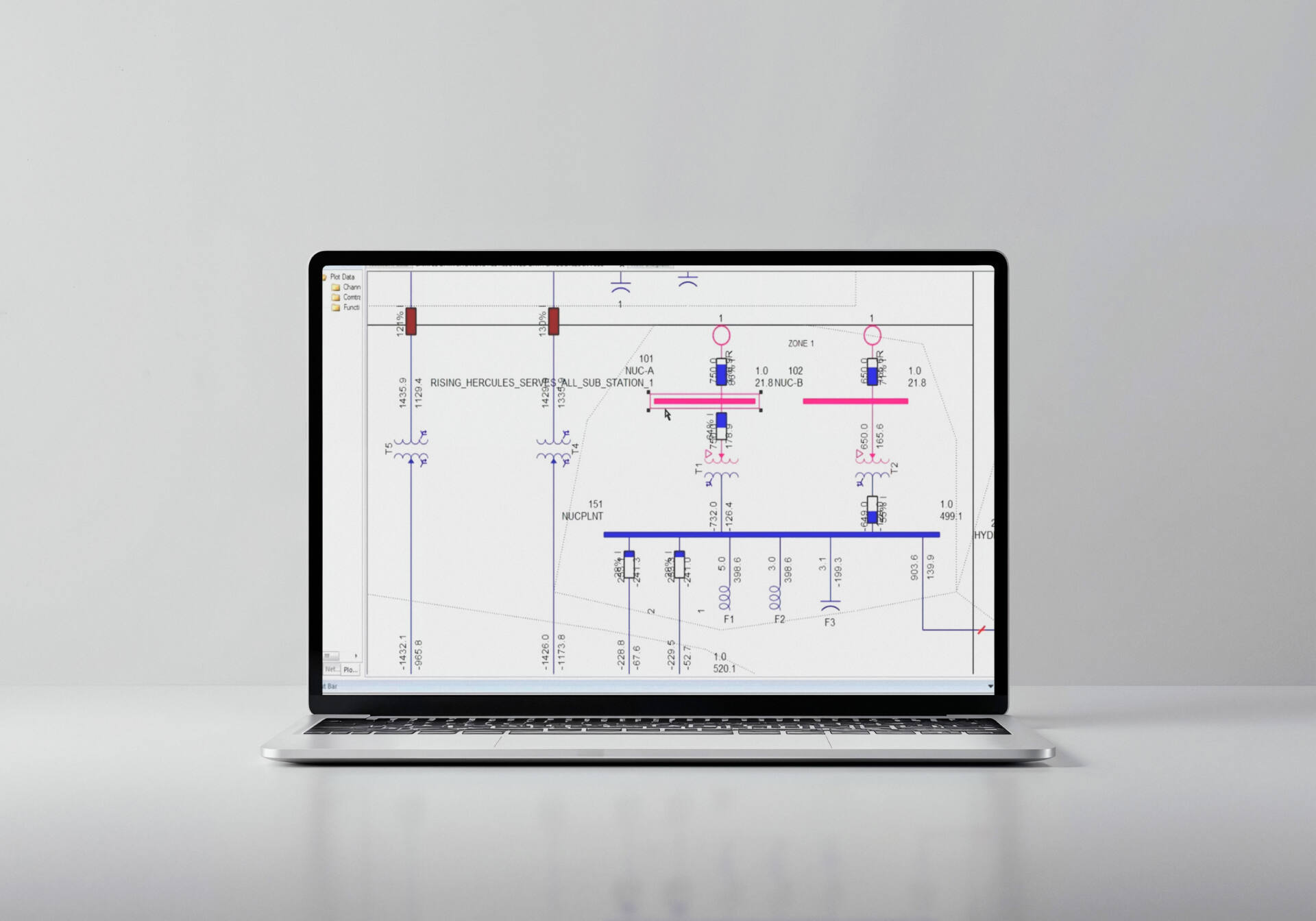
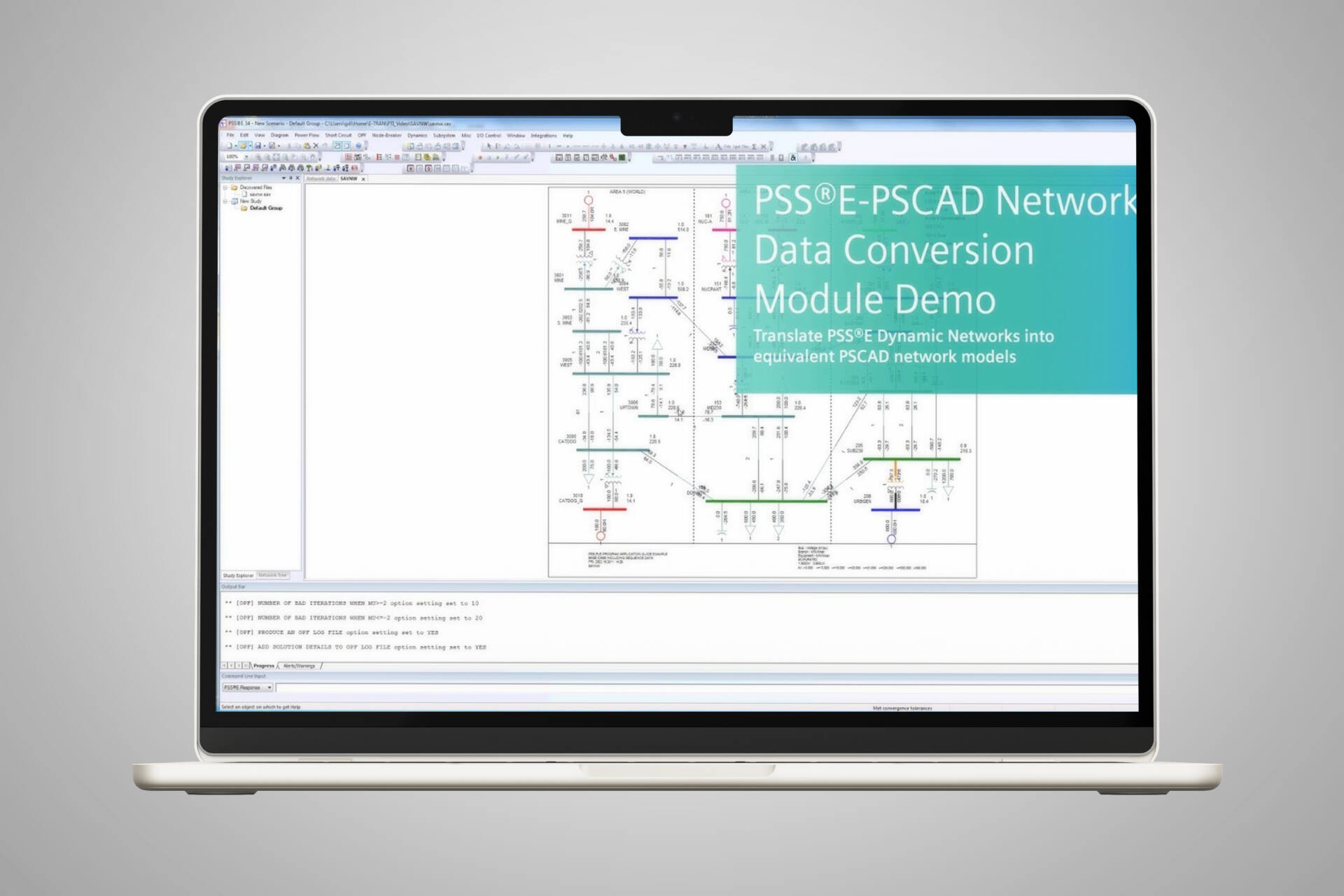
PSSE (Power System Simulator for Engineering) is a software platform used to model, simulate and analyze transmission network and generation performance in both steady-state and dynamic conditions.
provides the functionality for steady-state network analysis.
Provides transient, dynamic, and long-term stability analysis.
Our services prioritize precision and safety in every project. With a focus on quality workmanship and customer satisfaction, we ensure your electrical systems are efficient, reliable, and built to last.
Typically run major studies engineers:
PSS/E also includes dynamic simulation and that the dynamic simulator supports transient, dynamic, and long-term stability analysis.
It supports a wide range of investigations into planning and operation of electric power systems. In practice, that means utilities and system planners can:
Outages are simulated and system must meet acceptable criteria (voltages, loading limits, integrity, stability). Failure implies added system elements (planning) or adjusted pre-contingency conditions (operations).
Load flow-based analyses are used to assess voltage variations with active and reactive power change.

Engineering consulting and training services for reliable and efficient power systems. Contact us to learn more.
Copyright © 2026 Advanced Studies in Engineering. All Rights Reserved. Crafted by Mave.